WHY WUSHU
Why Wushu? Benefits for Children and Beginners.
Discover a sport that brings together movement, culture and opportunities to grow. From learning the fundamentals to performing, competing and supporting others, Wushu offers a meaningful journey at every stage.
ON THIS PAGE
What is Wushu?
Wushu is the collective term for Chinese martial arts. It encompasses traditional practices and modern competitive sport, bringing together physical skill, cultural heritage and expression.
Modern competitive Wushu has two main branches: Taolu and Sanda. Understanding the difference helps students choose a suitable training experience.
Taolu: Routines and Expression
Taolu involves sequences of stances, footwork, hand techniques, kicks and balances. Some disciplines also incorporate jumps and traditional weapons.
Different styles offer different forms of expression, from the expansive movements of Changquan and powerful techniques of Nanquan to the controlled, flowing movements of Taijiquan.
Sanda: Combat Sport
Sanda combines punching, kicking and throwing techniques within a regulated sporting environment.
Its training focuses on applying techniques against an opponent, with a different learning and competition format from Taolu.
BENEFITS OF WUSHU
Developing Skills. Building Character.
Wushu gives students opportunities to develop movement skills, practise concentration and experience the satisfaction of progress. With appropriate guidance and consistent effort, each lesson becomes a chance to learn.
Physical Development
Practise balance, coordination, flexibility and body control through stances, kicks and movement sequences. Students build their foundations before progressing to more demanding skills.
Focus and Discipline
Learn to listen, remember sequences and pay attention to detail. Regular practice provides experience working consistently towards improvement.
Confidence Through Progress
Learning a movement or demonstrating a routine gives students opportunities to recognise their progress and become more comfortable attempting new challenges.
Patience and Perseverance
Some skills take repeated attempts. Students practise responding to feedback, trying again and appreciating the effort behind improvement.
Culture and Expression
Explore Chinese martial traditions through movement, etiquette and different styles. Wushu welcomes learners from all cultural backgrounds.
Friendship and Belonging
Train alongside others, encourage teammates and share experiences. Group activities create opportunities to practise cooperation and respect.
THE WUSHU COMMUNITY
Wushu in Singapore: Supporting Every Stage of Development.
Wushu in Singapore connects schools, academies, clubs, Wushu associations and community programmes, supported by coaches, families and sporting bodies.
Together, they provide opportunities to build foundations, develop skills, preserve martial heritage and participate in performances and competitions.
International Wushu Federation
The International Wushu Federation (IWUF) governs Wushu internationally. Its work includes technical rules, international competitions and standards for international judges and coaches.
It connects national and territorial federations within the worldwide Wushu community.
Singapore Wushu Dragon & Lion Dance Federation
The Singapore Wushu Dragon & Lion Dance Federation (SWDLDF) is Singapore’s national governing body for Wushu.
Its work includes national competitions, coaching and judging education, national-team development and international participation.
Singapore National Olympic Council
The Singapore National Olympic Council (SNOC) coordinates Singapore’s participation in major multi-sport events, including the SEA Games and Asian Games.
Wushu nominations are managed through SWDLDF, with final major-games selection subject to SNOC’s criteria and approval.
The People and Organisations Behind Each Journey
Schools
Support student participation, regular training and school representation.
Academies and Clubs
Provide lessons, coaching and recreational or competitive development.
Wushu Associations
Pass on knowledge, preserve martial heritage and support training and community activities.
Community Programmes
Introduce Wushu through local classes, events and performances.
Coaches and Judges
Guide learning and assess performance within their respective roles.
Families and Teammates
Provide encouragement, practical support and a sense of belonging.
COMPETITION OPPORTUNITIES
From Local Participation to National Representation.
Wushu offers competitions for different ages, disciplines and stages of development. Some accept entries through schools, clubs or associations, while others require selection for national representation.
School and National Competitions
National School Games
Opportunities for eligible students to represent their schools in Wushu. Participation depends on school arrangements and the relevant competition requirements.
National Wushu Championships
A national platform for athletes to demonstrate their skills and gain experience alongside other competitors in Singapore.
Pesta Sukan Wushu Championships
An opportunity to put training into practice and participate in Singapore’s sporting calendar. Categories and eligibility vary by edition.
National Traditional Wushu Championships
A platform showcasing different martial styles and supporting the continued development of traditional Wushu.
Club and Invitational Competitions
Invitational competitions in Singapore and overseas may accept entries through clubs, academies or associations.
These events offer opportunities to gain experience, meet athletes from other communities and adapt to different competition environments.
Athletes do not necessarily need to be national-team members to participate. Entry depends on the organiser’s rules, invitation arrangements and the athlete’s readiness.
Representing a club overseas is distinct from official national representation.
Asian and World Championships
Asian Junior Wushu Championships
A continental competition platform for selected younger national representatives.
Asian Wushu Championships
Senior continental competition bringing together national representatives from across Asia.
World Junior Wushu Championships
A global championship providing international experience for selected younger athletes.
World Wushu Championships
A major global championship for national representatives competing at senior level.
Participation is subject to federation selection and the relevant event requirements.
Major Games and Other International Events
SEA Games
A regional multi-sport event at which selected national athletes compete for their countries within Southeast Asia.
Asian Games
Wushu has been included in the Asian Games since 1990. Selected national athletes compete on a major continental stage.
Other International Events
Wushu also features at The World Games. The wider calendar includes the Taolu World Cup, Sanda World Cup, World Taijiquan Championships and World Kungfu Championships.
Representing Singapore at Major Games
To compete for Singapore in Wushu at the SEA Games or Asian Games, athletes must be selected as national representatives. Being part of the national team is an important milestone, but selection for each Games is a further step.
SWDLDF manages the Wushu nomination process, with final selection subject to SNOC’s criteria and approval.
Every Athlete Develops at Their Own Pace.
Progress begins with foundations: learning to move, practising consistently and responding to guidance. As students gain experience, they can explore opportunities that suit their abilities and interests.
Learn and Develop
Build movement skills, refine techniques and work towards personal goals through regular training.
Perform and Connect
Share Wushu with audiences, work with teammates and take part in cultural or community experiences.
Train and Compete
Prepare progressively for suitable competitions, with guidance on technical readiness, expectations and sporting conduct.
These paths can overlap and change over time. A student may enjoy recreational training before exploring competition, or continue through performance and coaching after their competitive years.
Development includes skills, character, relationships and continued enjoyment of the sport.
YOUR FIRST STEPS
Every Wushu Journey Begins with Foundations.
What Age Can Children Start?
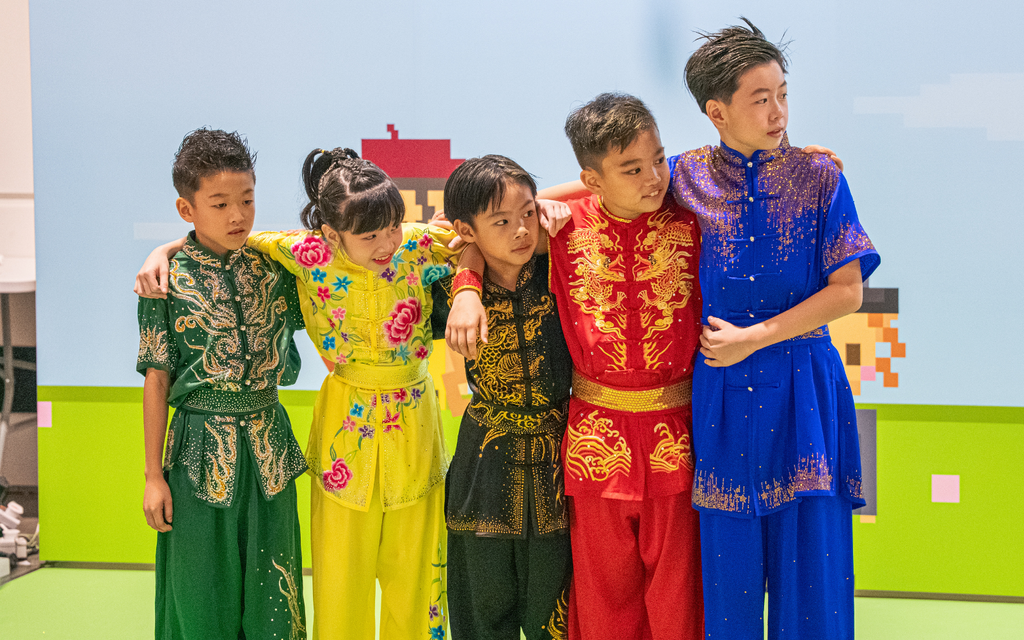
A suitable starting point depends on a child’s readiness and the teaching approach. Younger children can begin with age-appropriate activities introducing coordination, balance and following instructions.
At Martial House, Kungfu Tots is designed for children aged 4 to 6. Our team can advise on other beginner options according to age and experience. Youths and adults can also begin learning Wushu.
What Happens in a Beginner Class?
Depending on the programme, lessons may include warm-up activities, basic stances, footwork, hand movements, kicks, balance exercises and short sequences.
Students learn progressively. Previous martial arts experience and advanced flexibility are not prerequisites for joining a suitable beginner programme.
Real Journeys. Different Possibilities.
Discover how our athletes have developed through training, challenges and the support of their community.
Darren Tan
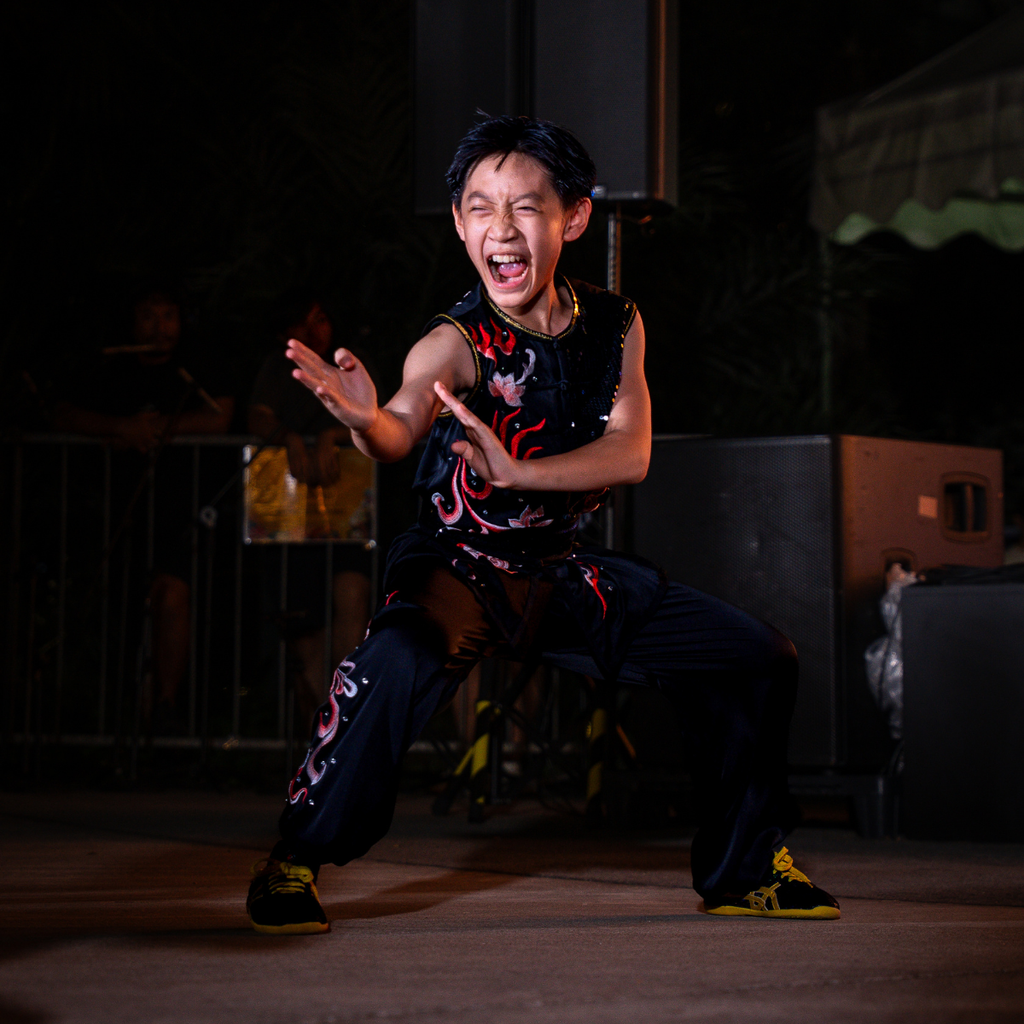
Discover how training and performance helped Darren develop confidence, alongside his experience representing his school.
Randall Lim
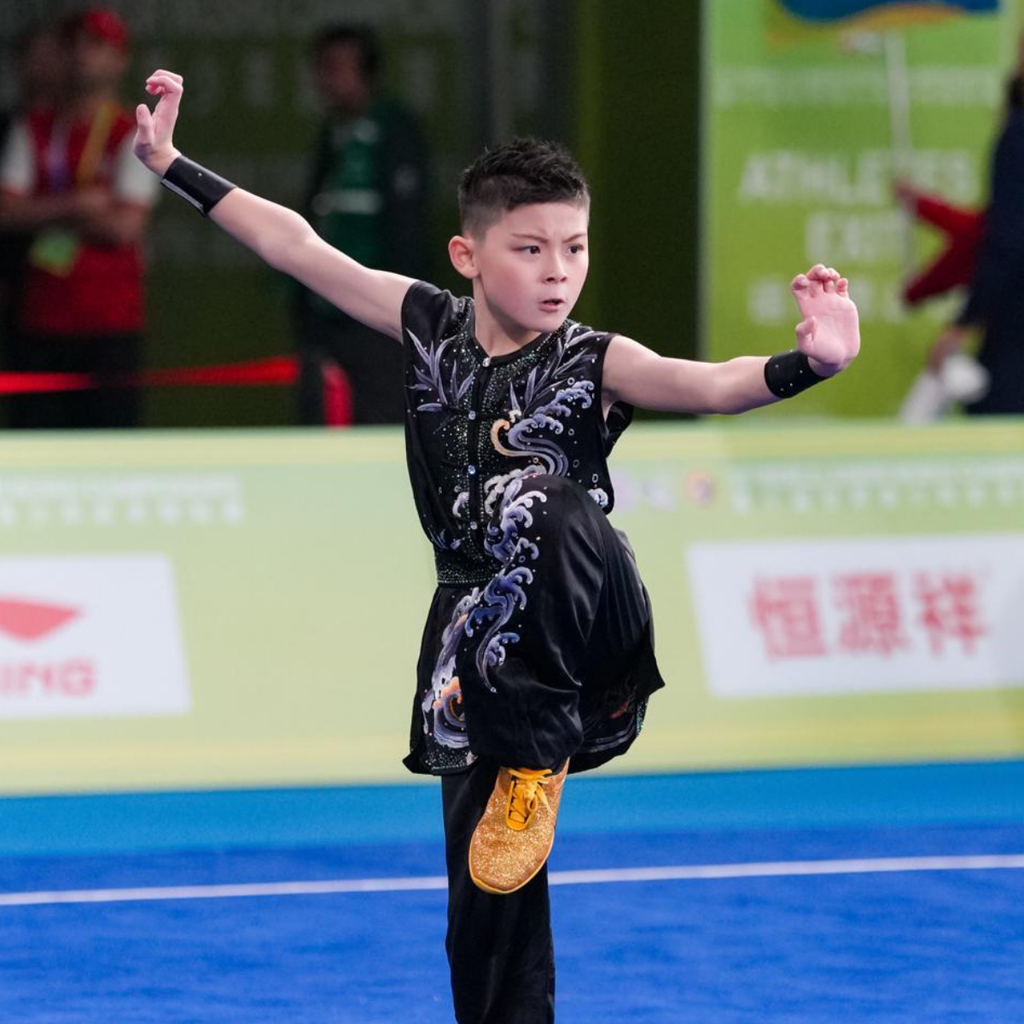
Read how Randall embraced the transition to Nanquan and continued developing through perseverance and guidance.
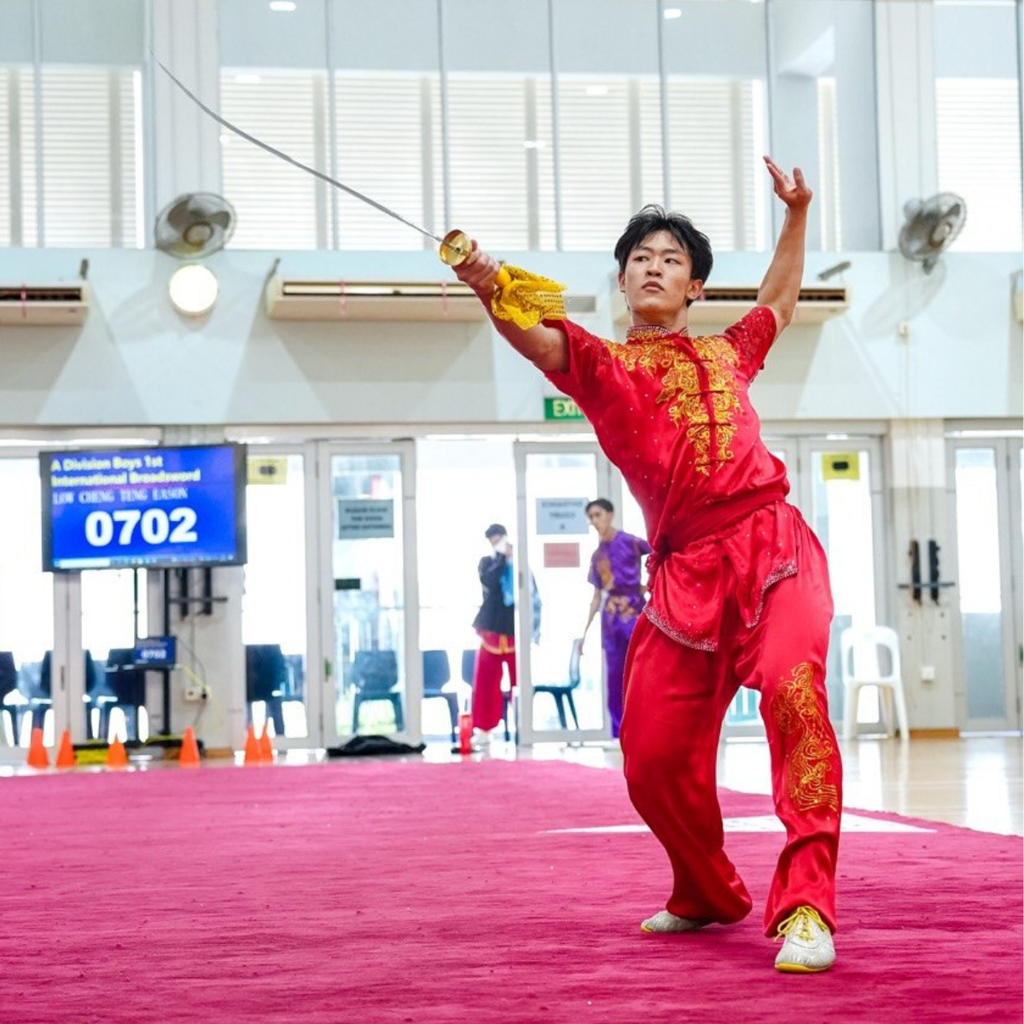
Eason Low
Explore Eason’s reflections on friendships, personal growth and finding meaning beyond competitive results.
Questions About Learning Wushu
Does my child need to compete?
No. Students can enjoy Wushu through regular training, personal progress, cultural learning and performance. Competition is an option for those interested and ready to pursue it.
Does my child need to be flexible?
No. Beginners work on movement and mobility progressively, with exercises appropriate to their starting abilities.
Will my child need to spar?
Taolu focuses on practising and performing routines. Sanda involves combat training. Ask which discipline a programme teaches when choosing a class.
Can girls and boys learn Wushu?
Yes. Wushu welcomes girls and boys. Programme suitability should reflect age, experience and interests.
Can adults start Wushu?
Yes. Adults can explore suitable beginner, traditional Wushu, Taiji or other available programmes according to their goals and starting abilities.
Must an athlete be in the national team to compete overseas?
No. Some overseas invitational events accept entries through clubs, academies or associations. Official national representation at championships and major games involves separate selection requirements.
Is Wushu offered through Direct School Admission?
Wushu is a DSA talent area at selected schools. Families may explore this separately according to the student’s interests, school suitability and current admission requirements.
Our focus remains on developing each student’s skills, character and enjoyment of Wushu. Admission decisions are made by the respective schools.
How do I choose a suitable class?
Consider the coaching approach, age grouping, progression, location and schedule. A trial class can help you experience the environment and discuss an appropriate starting point.
Your Wushu Journey Starts with One Step.
Whether you are exploring Wushu for your child or yourself, our team can help you find a suitable place to begin.